
THE EXPERIENCE
A Practical Approach to White-Label AI Avatars
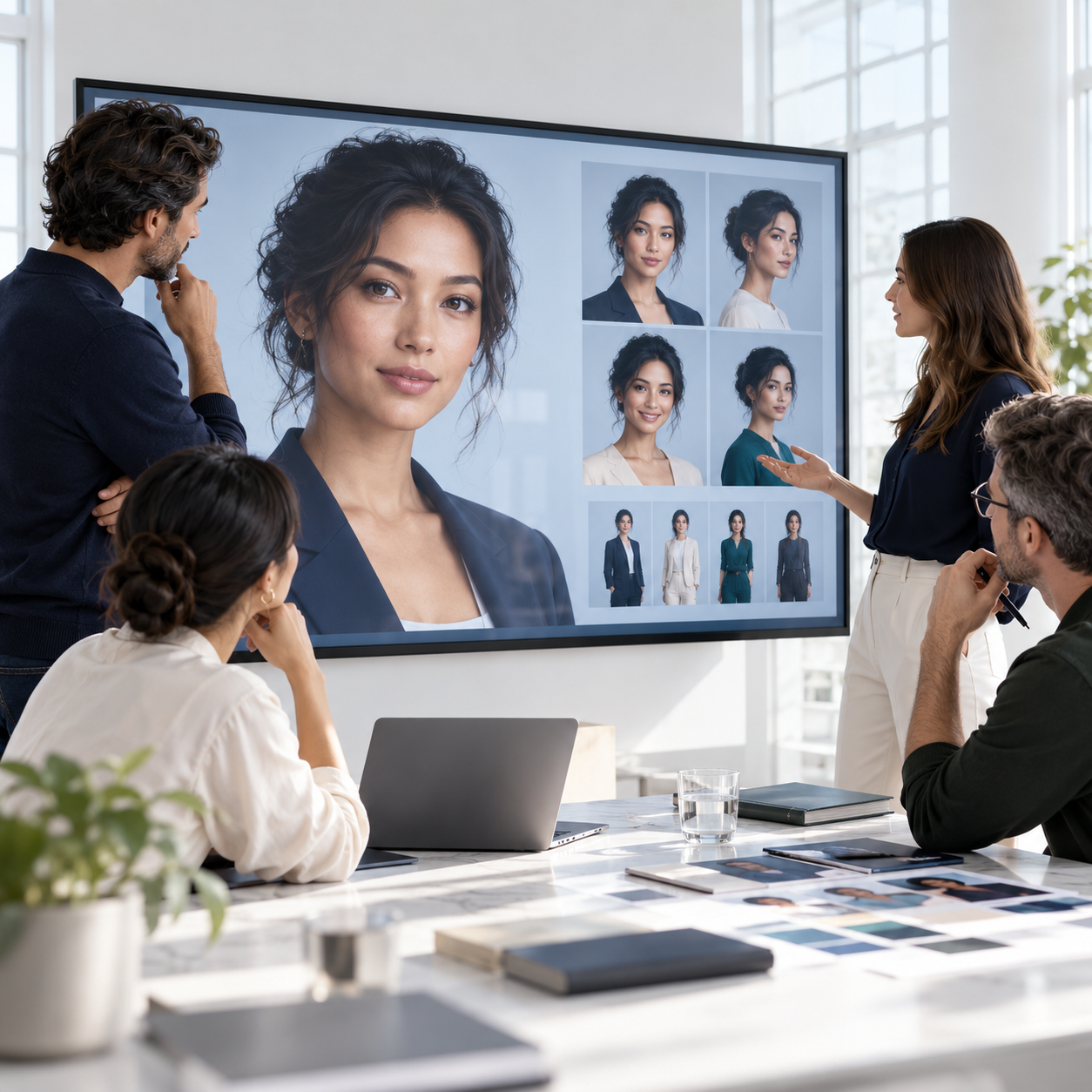
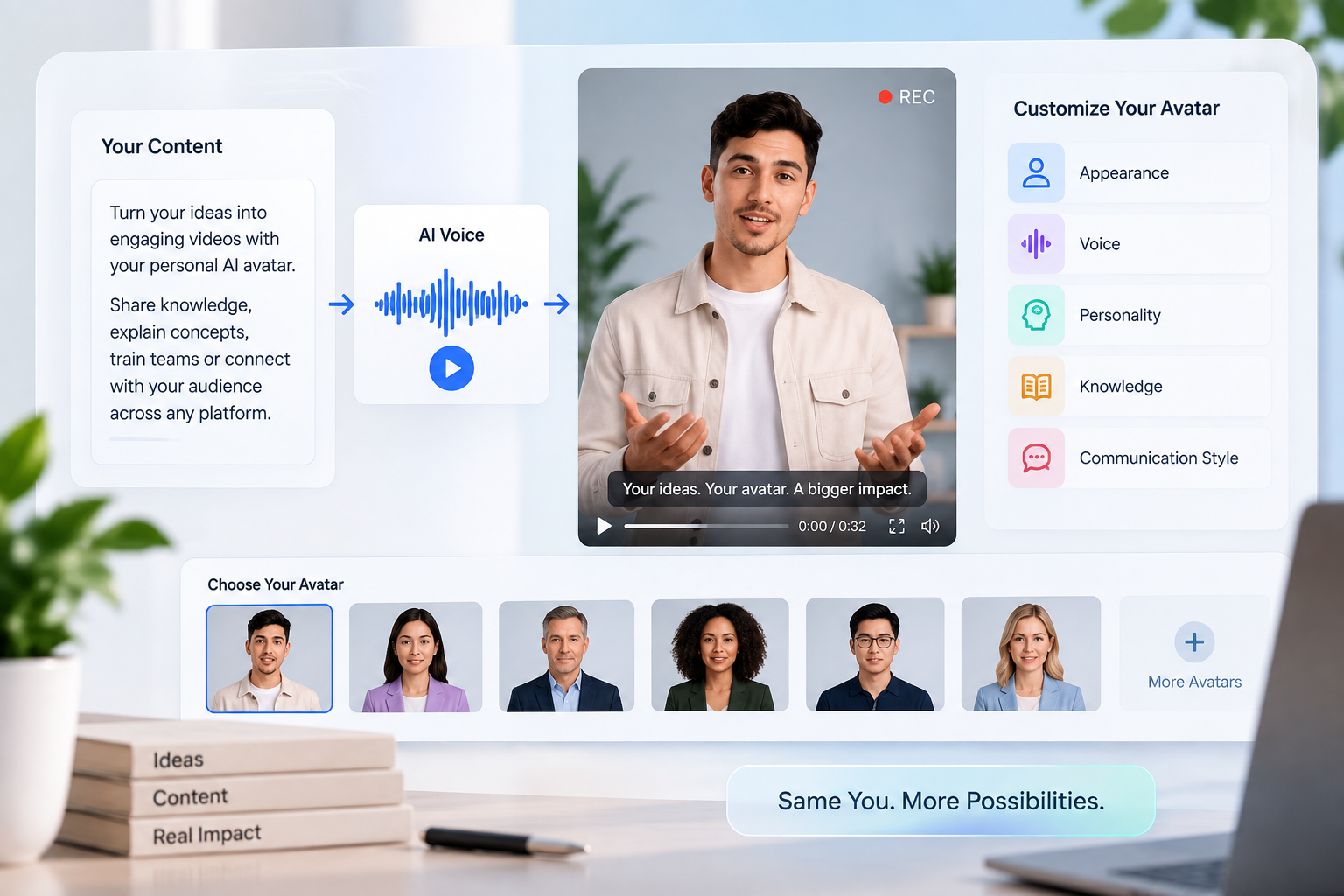
Create a digital-human experience around your brand's identity and customer journey. A white-label project begins with the character, voice, interface and deployment context, then establishes who owns content updates and supports users. Branding choices and commercial rights are separate decisions: agree on the delivery model, permitted use and any distribution rights as part of project scoping. Bring your brand guidelines and first customer scenario to discuss the right implementation with Mimic Minds.
PRACTICAL BENEFITS
Design the Experience Around the Task

Brand identity
Define the approved character appearance, voice and presentation style.

Customer interface
Discuss how the experience fits the intended branded journey.

Information You Can Maintain
Build the conversation around approved brand guidelines, verified delivery options, licensing terms and support responsibilities. Assign an owner to review changes before they enter the experience.

A Clear Route to People
Give customers an identifiable support route and agree on which team handles questions, updates and operational issues.
Choose the First Journey
Start with brand identity for brands, platform owners and prospective implementation partners. Define a useful outcome and the point where the conversation should end or move to a person.

Prepare Approved Sources
Bring together approved brand guidelines, verified delivery options, licensing terms and support responsibilities. Resolve conflicting information and document the questions that are outside scope.

Configure and Rehearse
Choose the digital character, conversation style and intended deployment channel. Rehearse the example below, then test incomplete questions, unexpected requests and cases that need staff assistance.

Review Before Expansion
Have the responsible team check the pilot's answers and next steps. Confirm supported features, operating requirements and content ownership before adding more scenarios.
USE CASE SCENARIOS
Six Scenarios to Consider
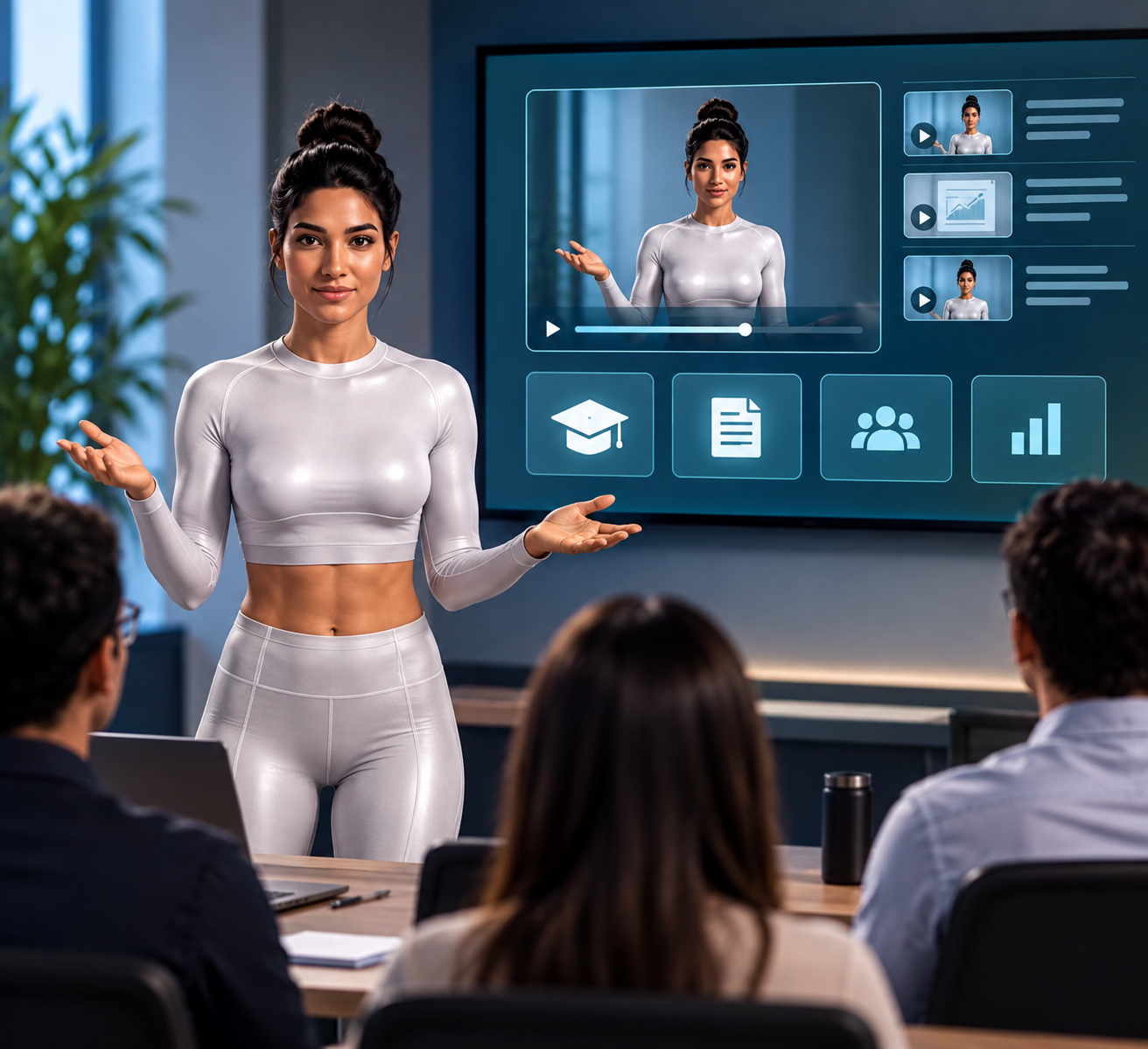
Brand identity
Define the approved character appearance, voice and presentation style.
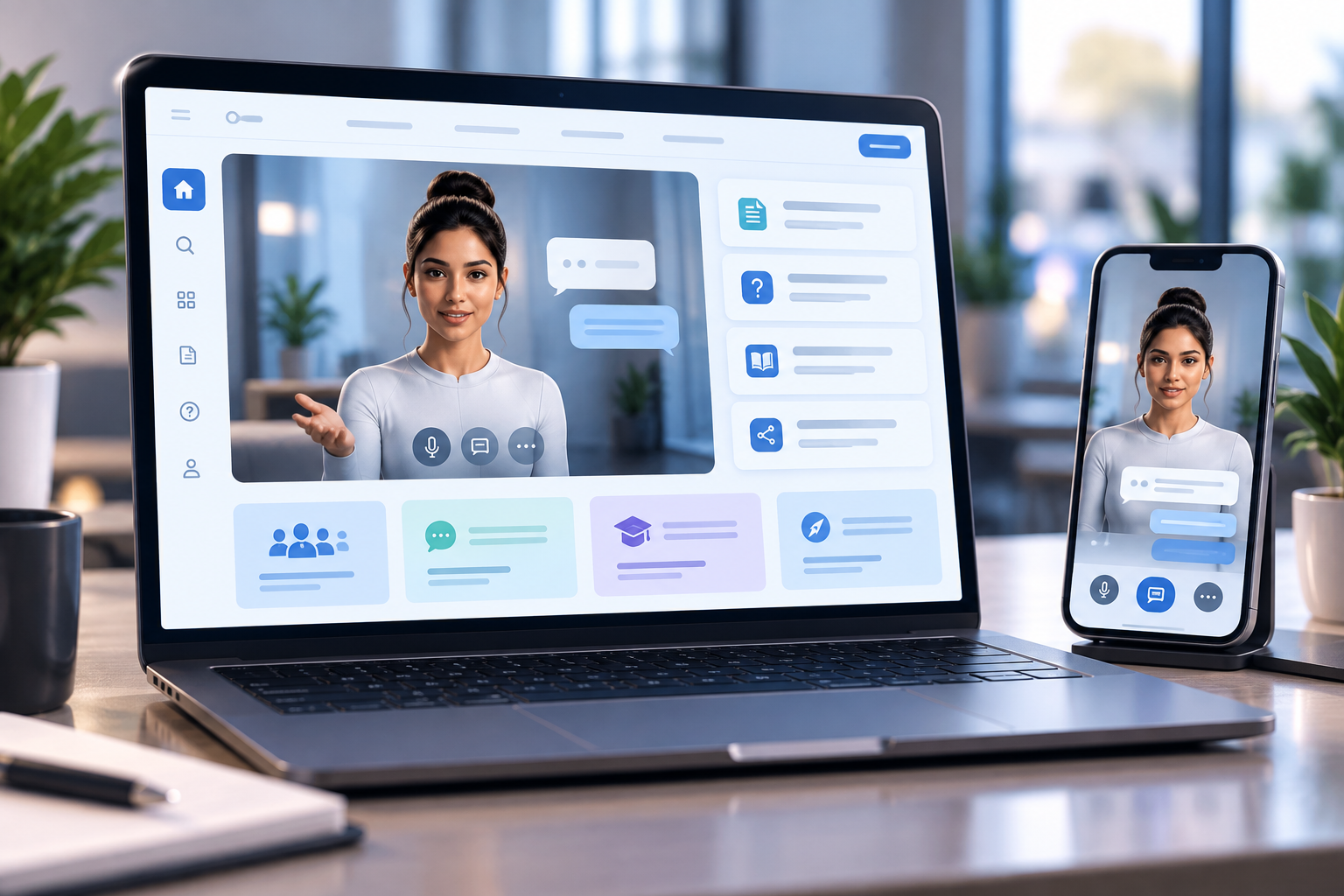
Customer interface
Discuss how the experience fits the intended branded journey.
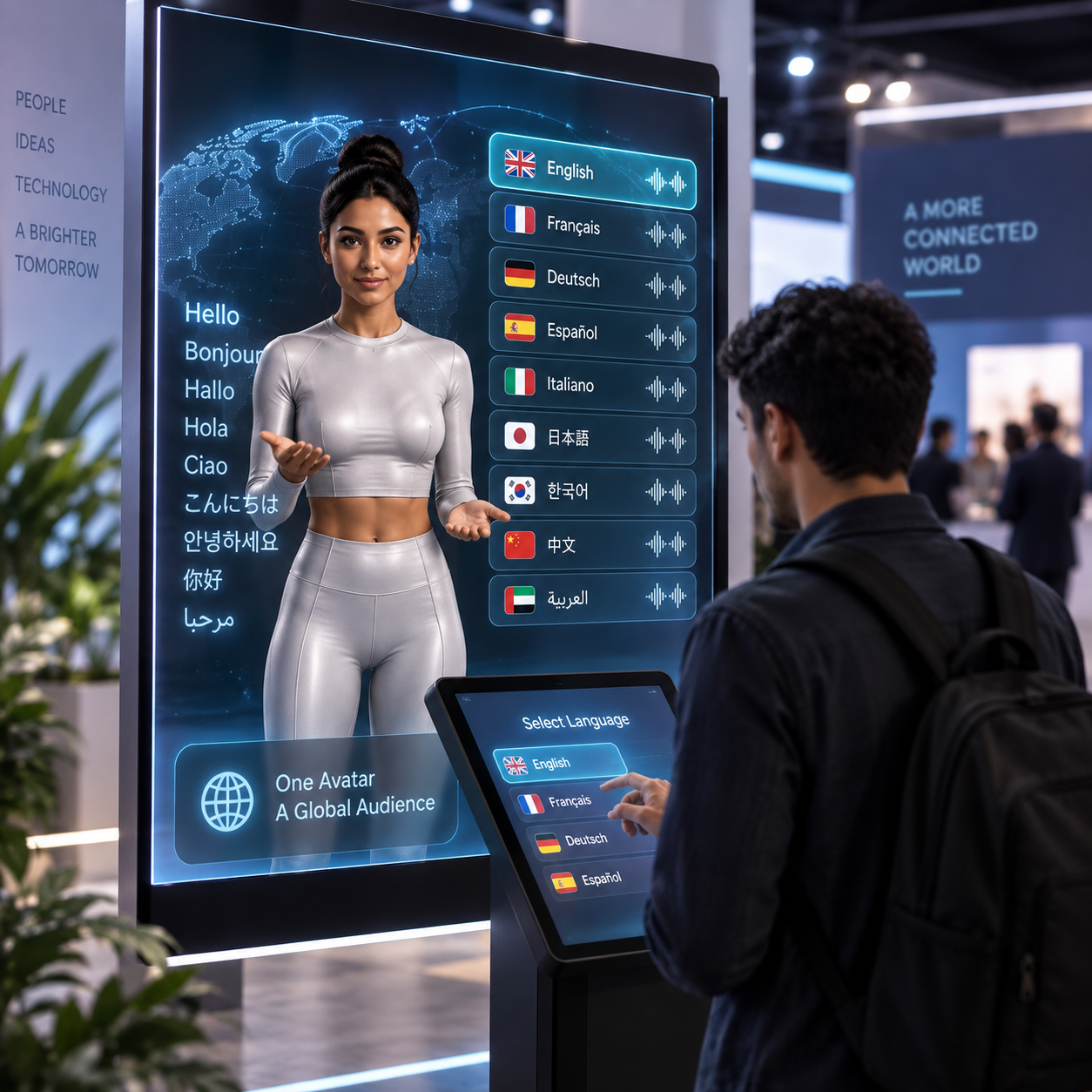
Content ownership
Assign responsibility for preparing and updating approved knowledge.
Partner delivery
Clarify which party implements and maintains the experience.

Support model
Agree on operational contacts and issue-handling responsibilities.

Commercial scope
Confirm licensing, permitted use and any distribution rights before launch.
IMPLEMENTATION CONSIDERATIONS
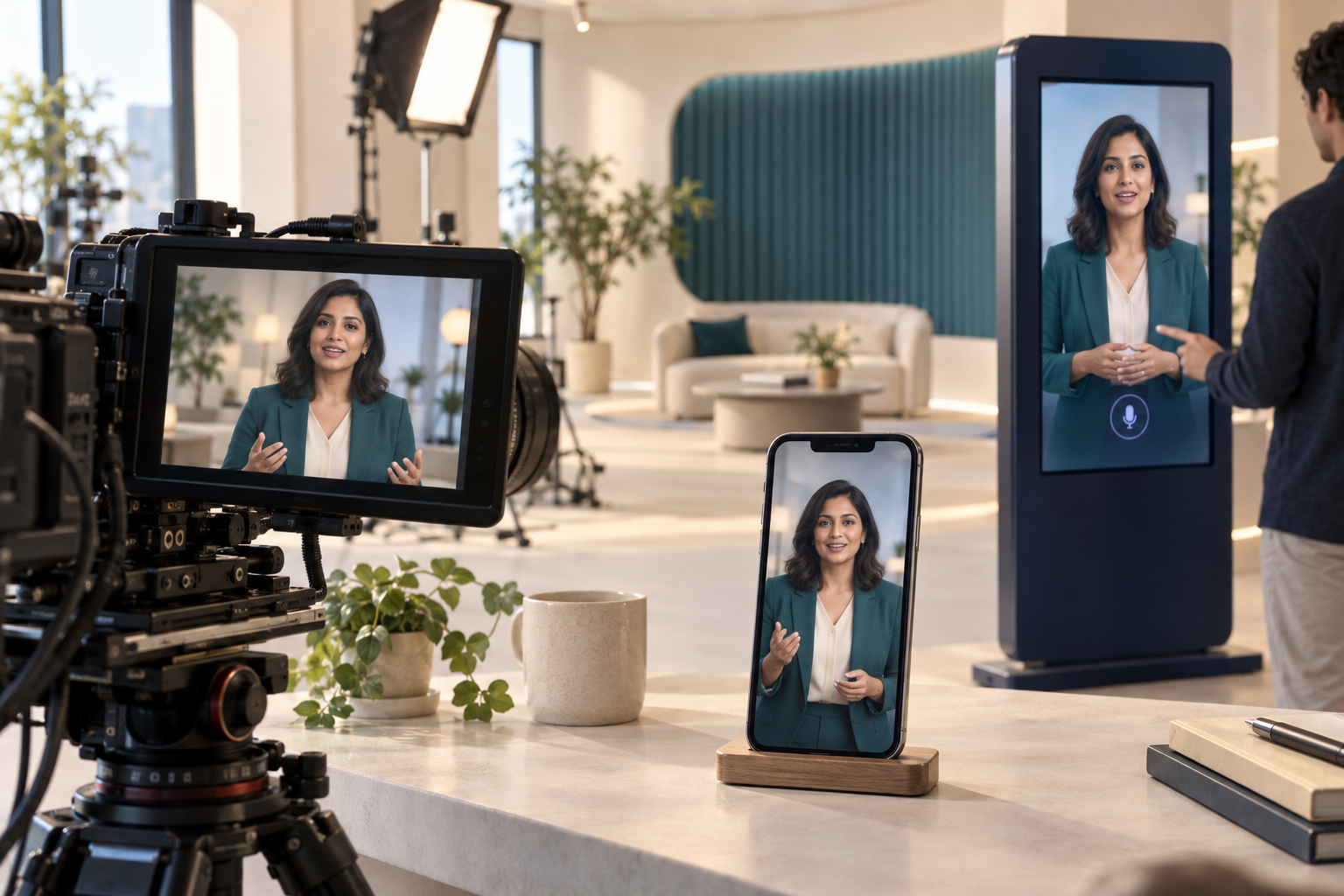
Plan the Deployment Around Your Audience
Plan the Deployment Around Your Audience
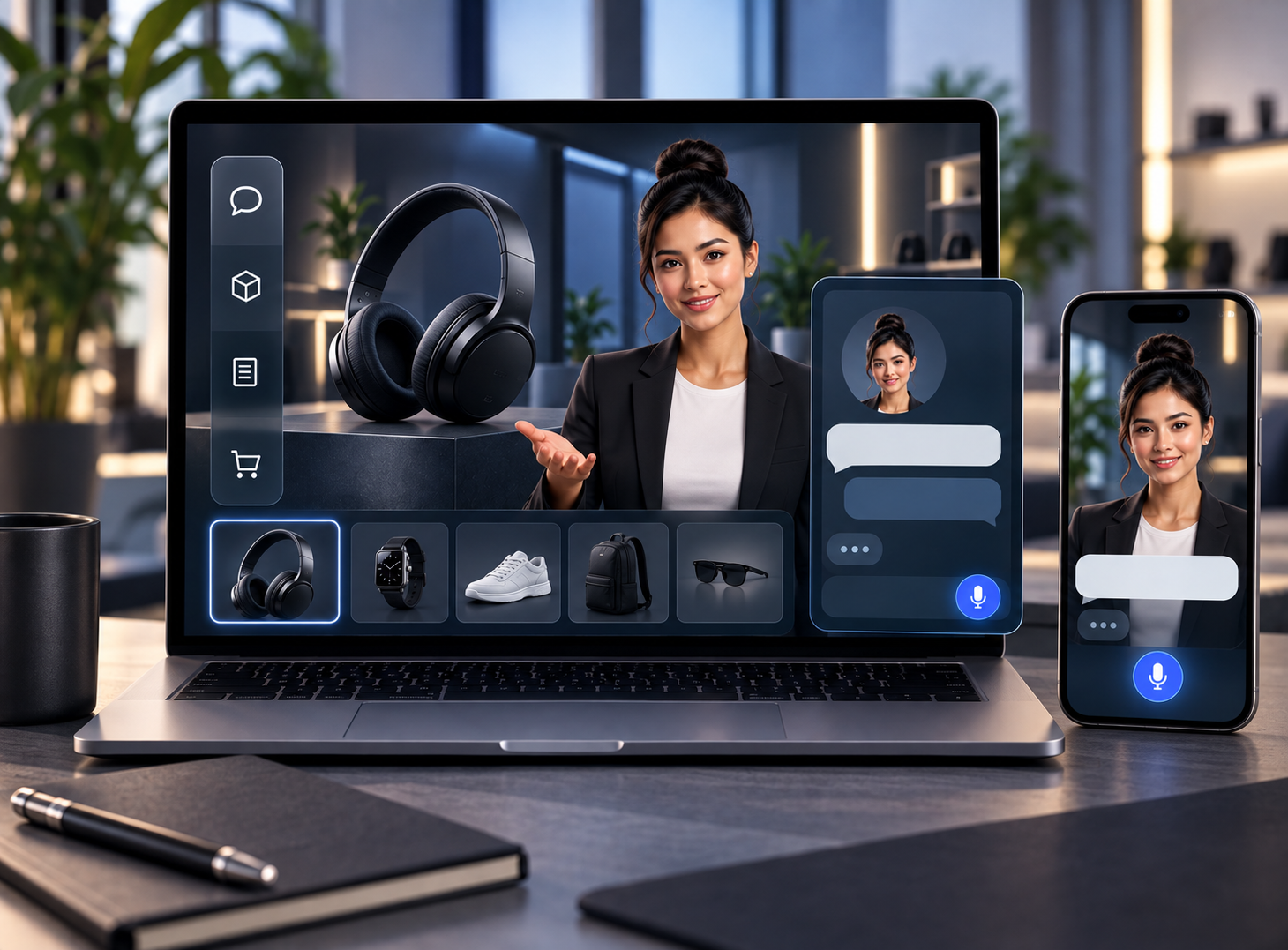
Choose the touchpoint that serves brands, platform owners and prospective implementation partners. Confirm the supported device, voice or text interaction, connectivity and accessible alternatives with Mimic Minds. Account access, booking, recording and other system actions must be separately specified and verified; a conversational presentation alone does not provide those functions.
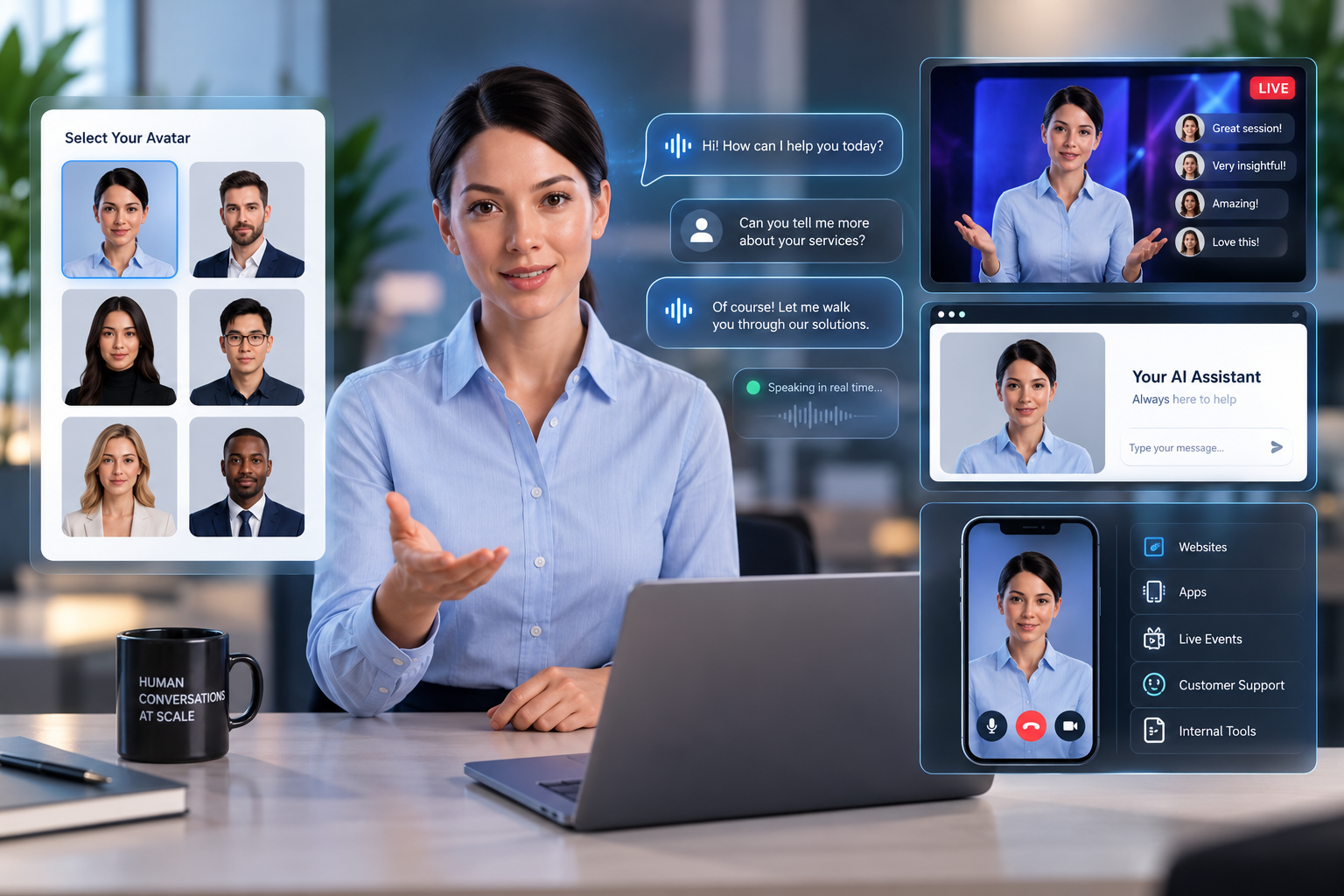
Example in Practice
Illustrative example. A partner wants a branded avatar experience. The project discussion identifies character and interface customization, support responsibilities and the delivery and licensing scope to confirm before implementation.
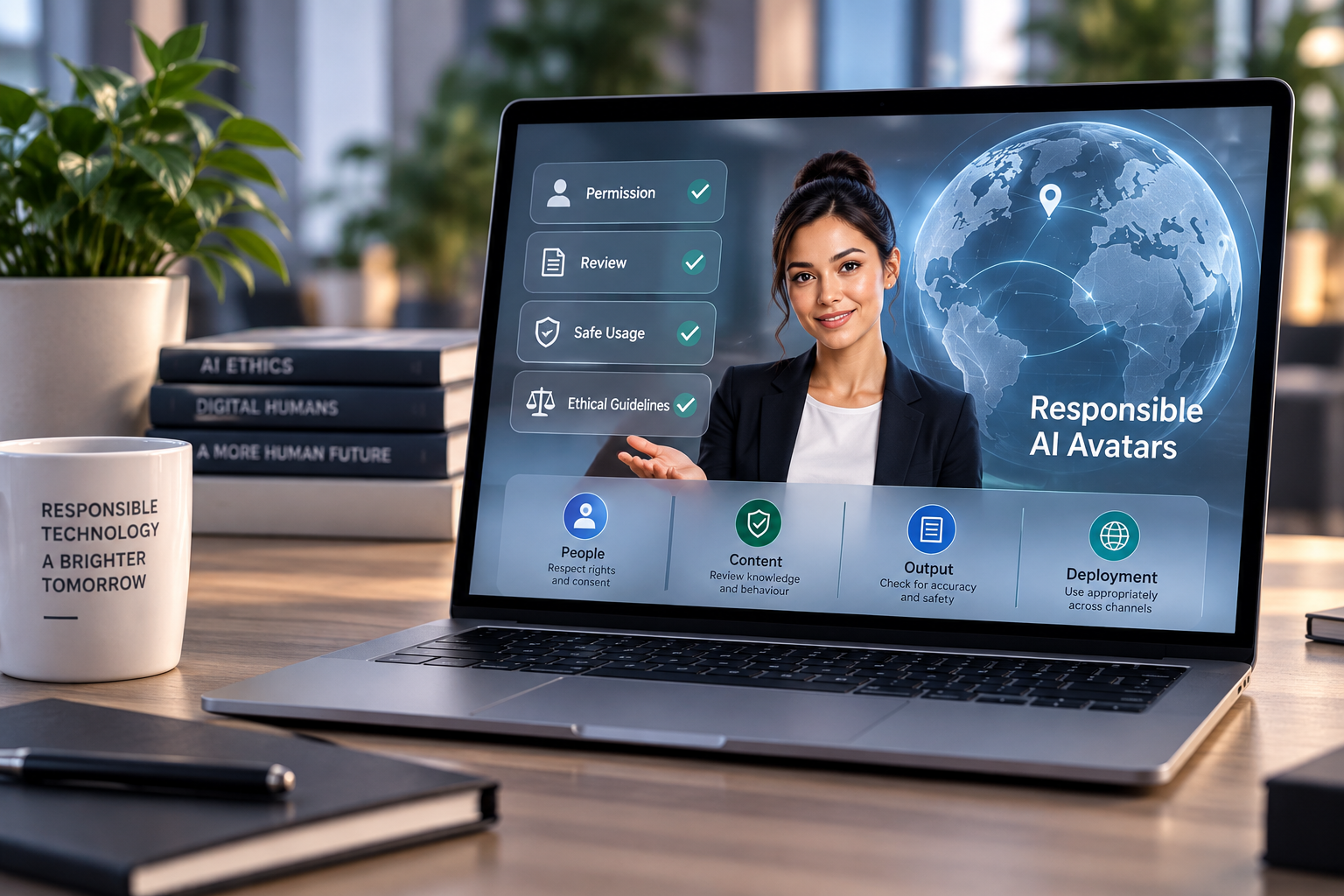
Clear Boundaries and Accountable Content
Set clear responsibilities for content, support and brand approvals. Confirm permitted use, attribution and any resale or sublicensing rights in the project agreement.
QUESTIONS AND ANSWERS
Frequently Asked Questions
01
Who is this experience for?
This proposed experience is designed for brands, platform owners and prospective implementation partners. Start with a defined task rather than an unrestricted general conversation.
02
What information do we need to prepare?
Prepare approved brand guidelines, verified delivery options, licensing terms and support responsibilities. The team responsible for those sources should approve the content and own future updates.
03
Does white-label mean we can resell the platform?
Not automatically. Resale, sublicensing, ownership and branding rights depend on the agreement. Confirm the current terms with Mimic Minds.
04
What happens when a question is outside the approved scope?
The experience should acknowledge the limit and point to a relevant person or official resource. Test that behavior with ambiguous questions before launch.
05
How do we begin a pilot?
Choose one of the scenarios on this page, identify the intended audience and deployment channel, and discuss the requirements with Mimic Minds. Confirm available capabilities and review responsibilities before setting the launch scope.
WHY MIMIC MINDS
Mimic Minds combines digital-human character creation with conversational experience design. For a branded deployment, align the character's appearance, voice and behavior with your customer journey. Define content ownership, support responsibilities and commercial rights alongside the visual design so the proposed experience has a clear delivery scope.
Character Design with a Defined Purpose
01
Custom Character Creation
Develop photorealistic digital humans, stylized characters, virtual celebrities and interactive mascots.
02
Expressive Performance
Combine natural speech, facial expressions and gestures with real-time character behaviour.
03
Brand and Story Consistency
Maintain approved character details, personality and visual identity across every interaction.
04
Approved Knowledge
Connect selected content, event information and community resources to the avatar.
05
Live and On-Demand Experiences
Use the same character during live events, streaming experiences and always-available fan interactions.
06
Cross-Platform Deployment
Adapt the character for streaming, websites, mobile apps, kiosks, games and XR.
Responsible Fan Interaction
Built for Safe, Controlled and Transparent Engagement

Clear AI Identity
Tell fans that they are interacting with an AI-powered digital character.

Authorized Character Use
Use only approved names, likenesses, voices, stories and brand assets.

Defined Conversation Boundaries
Set clear rules for sensitive topics, restricted questions and unsuitable requests.

Age-Appropriate Experiences
Adapt language, moderation and access controls for the intended fan community.

Privacy-Conscious Personalization
Use only appropriate and permitted fan information for the selected experience.

Human Oversight
Provide moderation, escalation and human review for sensitive or unexpected interactions.
Frequently asked questions
- 01
- 02
- 03
- 04
- 05