_edited.png)
AI and Emotional Intelligence: Bridging the Human-AI Gap
- Mimic Minds
- Dec 5, 2025
- 7 min read
Updated: Jan 16

Artificial intelligence has expanded from data-driven automation to systems capable of recognising emotions, responding empathetically, and supporting human decision-making. This evolution has led to a new frontier AI Emotional Intelligence where machines are no longer only tools but partners in collaboration, communication, and cognitive support.
For businesses, creators, educators, and everyday users, emotionally aware AI reshapes how we work, communicate, and build digital experiences. From customer support avatars that adjust tone based on user frustration to AI-driven leadership simulations that train empathy, the integration of emotional intelligence into AI is bridging a once-wide human machine gap.
In this comprehensive guide, we explore how AI Emotional Intelligence works, its benefits, challenges, cross-industry applications, and the emerging future of emotionally capable digital systems.
Table of Contents
What Is AI Emotional Intelligence?
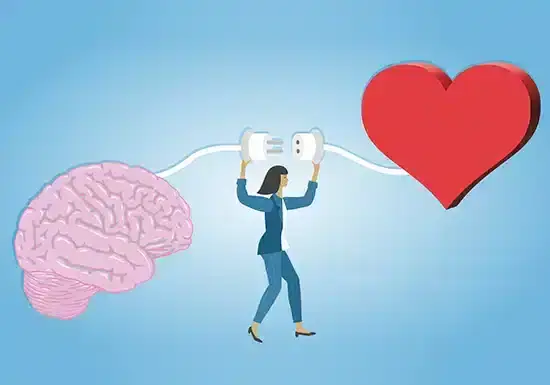
AI Emotional Intelligence refers to the capability of artificial intelligence systems to recognize, interpret, simulate, and respond to human emotions. While traditional AI focuses on logic and data, emotionally intelligent AI incorporates psychological and behavioural understanding.
AI Emotional Intelligence includes:
Emotion recognition from facial expressions or voice tone
Sentiment analysis across written or spoken text
Adaptive responses based on emotional context
Empathetic conversational patterns
Predictive modelling of human behaviour and emotional states
This shift transforms AI into a more intuitive and human-centric technology capable of supporting deeper engagement.
Why Emotional Intelligence Matters in AI Systems

As AI becomes embedded in daily operations—from workplaces to entertainment—the emotional dimension has become essential for trust, satisfaction, and meaningful interaction.
Emotionally intelligent AI enables:
More natural human–machine interactions
Safer, more supportive digital environments
Better decision-making through emotional context
Stronger brand relationships and personalised experiences
With the rise of AI avatars, digital humans, and intelligent assistants, emotional intelligence has become a foundational requirement rather than a bonus feature. Even in fields like gaming, emotionally aware AI NPCs adapt to player mood, creating more immersive experiences—an innovation explored in content like AI NPCs in Gaming.
How AI Learns and Interprets Human Emotions

AI Emotional Intelligence draws heavily from affective computing, behavioural psychology, and machine learning. To understand emotional cues, AI uses:
1. Facial Emotion Recognition
AI models detect micro-expressions such as:
Anger
Happiness
Stress
Surprise
Sadness
Confusion
These models are trained on thousands of human expression datasets.
2. Voice & Speech Emotion Analysis
The AI evaluates:
Pitch and tone
Speed
Volume
Tremors and hesitation
Voice-based sentiment detection is already used in customer support avatars and call-centre systems.
3. Text Sentiment Analysis
Through natural language processing (NLP), AI identifies emotional cues in:
Messages
Reviews
Emails
Chatbot interactions
This technique powers conversational AI experiences in sectors like education, explored in tools such as Conversational AI in Education.
4. Physiological Data Analysis
More advanced AI systems interpret signals like:
Heart rate variability
Skin temperature
Breathing rhythms
While this data introduces privacy concerns, it also opens possibilities for mental-wellness applications.
Core Components of AI Emotional Intelligence

AI Emotional Intelligence revolves around four interconnected capabilities:
1. Emotion Perception
Detecting user emotions using multimodal data.
2. Emotion Interpretation
Understanding the meaning and probable causes of those emotions.
3. Emotion Prediction
Forecasting user reactions based on patterns and behaviour.
4. Emotion Response Generation
Crafting empathetic, contextually appropriate replies—often used in AI avatar conversations and digital support systems.
AI Emotional Intelligence vs Traditional AI
Traditional AI focuses on logic, automation, and structured decision-making. Emotionally intelligent AI extends this by adding behavioural awareness and human-like adaptability.
Aspect | Traditional AI | Emotionally Intelligent AI |
Focus | Data, logic, automation | Emotions, behaviour, empathy |
Interaction Style | Factual, task-oriented | Human-like, adaptive, relational |
Inputs | Numbers, structured data | Voice, expression, text sentiment |
Output | Factual answers | Emotion-guided, contextual responses |
Applications | Analytics, processing | Customer engagement, coaching, support |
This evolution is accelerating the shift toward conversational AI avatars, explored in more detail in articles such as How Conversational AI Avatars Are Redefining Human-Machine Interaction.
Applications of AI Emotional Intelligence Across Industries
Emotionally aware AI is reshaping diverse sectors. Below are some of the most impactful applications:
1. Customer Experience & Support
Emotion-aware chatbots adapt tone based on frustration levels, leading to:
Higher customer satisfaction
Reduced conflict
Better ticket resolution
Personalized brand experiences
AI-driven avatars in customer support settings, such as those discussed in AI Avatars in Customer Support, are now capable of detecting sentiment and adjusting communication style.
2. Entertainment & Gaming
Emotion-driven systems enhance:
NPC behaviour
Game narrative reactions
Immersive realism
Player engagement accuracy
This is central to the evolution of AI NPCs.
3. Finance & Services
Emotion detection helps:
Assess customer tone in advisory services
Improve risk communication
Enhance client-advisor interactions
Also, financial institutions using conversational systems incorporate sentiment analysis to customize support.
4. Healthcare & Mental Wellness
Emotion-aware AI supports:
Virtual therapy tools
Patient mood tracking
Stress detection
Cognitive behavioural interventions
It can also assist clinicians by highlighting emotional red flags.
5. Marketing & Personalization
Emotionally intelligent AI improves:
Buyer persona analysis
Emotion-triggered recommendations
Real-time personalisation
Optimized conversion paths
Marketing strategies become significantly stronger when understanding not just user behaviour—but emotional state.
6. Education & Training
AI uses emotional cues to:
Adjust learning content
Identify student stress
Offer personalized feedback
Build emotional resilience through simulation
This is evident in the rise of conversational learning tools.
7. Business Leadership & HR
Emotion-aware AI supports:
Conflict resolution training
Employee sentiment analysis
Leadership coaching simulations
Mental-wellbeing tools
HR departments use AI to monitor team health and improve culture.
Benefits of Emotionally Intelligent AI
Emotionally intelligent AI offers transformative advantages:
1. Higher Engagement: Emotionally responsive systems keep users more engaged and satisfied.
2. Increased Trust: People trust technology that “understands” them better.
3. Improved Collaboration: Emotion-aware systems can identify tension and facilitate healthier interactions.
4. Enhanced Personalization: Responses become tailored to mood, context, and intention.
5. Better Decision-Making: Emotional context adds clarity to complex choices—especially in leadership simulations and training.
6. Human-AI Synergy: Emotion-aware digital humans create more natural, intuitive relationships with users, improving productivity and connection.
Challenges & Ethical Concerns

Despite advancements, there are serious issues that need addressing.
1. Privacy Risks
Emotion data (facial, voice, physiological) is highly sensitive.Storing or misusing it can lead to ethical violations.
2. Emotional Manipulation
Brands or systems might:
Influence vulnerable users
Manipulate buying behaviour
Create emotional dependency
Regulation is essential to prevent manipulation.
3. Cultural Bias
Emotion interpretation varies by:
Culture
Personal experiences
Social norms
AI must be trained on diverse datasets.
4. Misinterpretation
Subtleties like sarcasm or suppressed emotions are hard for AI.Incorrect emotional assumptions can damage user trust.
5. Transparency Issues
Users should know:
When AI reads emotions
What emotional data is collected
How responses are generated
Building transparency is key for responsible development.
Future Outlook: The Rise of Emotion-Aware Digital Ecosystems

AI Emotional Intelligence is entering a new era. The future will see:
1. Emotionally Adaptive Digital Humans
AI-powered avatars will become:
More realistic
Better at behavioural nuance
Capable of psychological support
This evolution is already visible in the rise of AI avatars for branding, content creation, and user engagement—highlighted in articles like AI Avatars vs Traditional Chatbots.
2. Real-Time Empathy Engines
Systems will adjust:
Tone
Language complexity
Pacing
Emotional cues
Instantly, based on user mood.
3. Emotionally Intelligent Autonomous Agents
Next-generation AI agents will:
Manage complex tasks
Make emotionally informed decisions
Support humans in leadership and teamwork
This is aligned with the emerging world of agentic AI, covered in Agentic AI vs Generative AI.
4. Emotion-Driven Personalization Engines
Future systems will predict:
Stress points
Motivational triggers
Engagement patterns
To deliver highly tailored digital experiences.
5. Ethical Emotional AI Frameworks
As emotional AI becomes mainstream, regulations around emotional data and algorithmic transparency will rapidly evolve.
The future of AI Emotional Intelligence is not about replacing human EQ—but amplifying it through technology.
FAQs on AI Emotional Intelligence
1. What is AI Emotional Intelligence?
AI Emotional Intelligence refers to a machine’s ability to detect, interpret, and respond to human emotions using technologies like facial recognition, sentiment analysis, and voice analysis.
2. Why is emotional intelligence important in AI?
It enhances human–AI interaction, builds trust, improves customer satisfaction, and enables more personalized digital experiences.
3. How does AI detect human emotions?
AI uses machine learning models trained on thousands of emotional samples, analysing facial expressions, voice tone, text sentiment, and sometimes physiological indicators.
4. Can AI truly understand emotions like humans?
AI can recognize and simulate emotion patterns, but it does not feel emotions. Understanding is based on pattern recognition, not subjective experience.
5. What industries benefit most from emotionally intelligent AI?
Healthcare, education, gaming, customer support, HR, marketing, and finance are among the top industries using emotion-aware AI.
6. Is emotionally intelligent AI safe to use?
Yes—when responsible data handling practices are followed. Emotional data is sensitive and must be protected with strong ethical guidelines.
7. Can AI improve human emotional intelligence?
Absolutely. AI tools can analyse mood trends, provide feedback, and simulate scenarios to help users improve empathy, conflict resolution, and self-awareness.
8. What is the future of AI Emotional Intelligence?
The future includes emotion-aware digital humans, empathetic AI agents, real-time emotional analytics, and sophisticated personalization engines.
Conclusion
AI Emotional Intelligence is turning machines into emotionally aware collaborators capable of supporting human communication, personal growth, business productivity, and immersive digital experiences. As emotional computing becomes integral to AI design, the goal is not to replace human empathy but to augment it, ensuring technology becomes more human-centric, responsible, and emotionally aligned.
From conversational AI avatars to intelligent digital humans and AI-powered NPCs, emotionally intelligent systems are creating a future where the human AI gap continues to close unlocking new opportunities for connection, creativity, and meaningful interaction.
For further information and in case of queries please contact Press department Mimic Minds: info@mimicminds.com.



Comments