

THE EXPERIENCE
A Practical Approach to AI Interview Practice Avatar
An interview-practice avatar plays an interviewer in a rehearsal, giving the learner a chance to explain experience aloud and respond to follow-up questions. The purpose is preparation, not candidate screening. A useful scenario identifies the role, question type and learning objective, such as making an example more specific or organizing an answer. Any feedback should be transparent about its basis and limitations. Confirm the availability of a usable practice experience before offering access to learners.
PRACTICAL BENEFITS
Design the Experience Around the Task

Opening introduction
Rehearse a concise explanation of experience and interests.

Behavioral examples
Practice describing a concrete situation, action and outcome.

Information You Can Maintain
Build the conversation around role-specific question sets, coaching guidance, example answer structures and reviewer criteria. Assign an owner to review changes before they enter the experience.

A Clear Route to People
Keep the experience separate from hiring decisions. Do not infer personality, honesty or employability from appearance or voice.

Choose the First Journey
Start with opening introduction for interview learners, career coaches and training providers. Define a useful outcome and the point where the conversation should end or move to a person.

Prepare Approved Sources
Bring together role-specific question sets, coaching guidance, example answer structures and reviewer criteria. Resolve conflicting information and document the questions that are outside scope.

Configure and Rehearse
Choose the digital character, conversation style and intended deployment channel. Rehearse the example below, then test incomplete questions, unexpected requests and cases that need staff assistance.

Review Before Expansion
Have the responsible team check the pilot's answers and next steps. Confirm supported features, operating requirements and content ownership before adding more scenarios.
USE CASE SCENARIOS
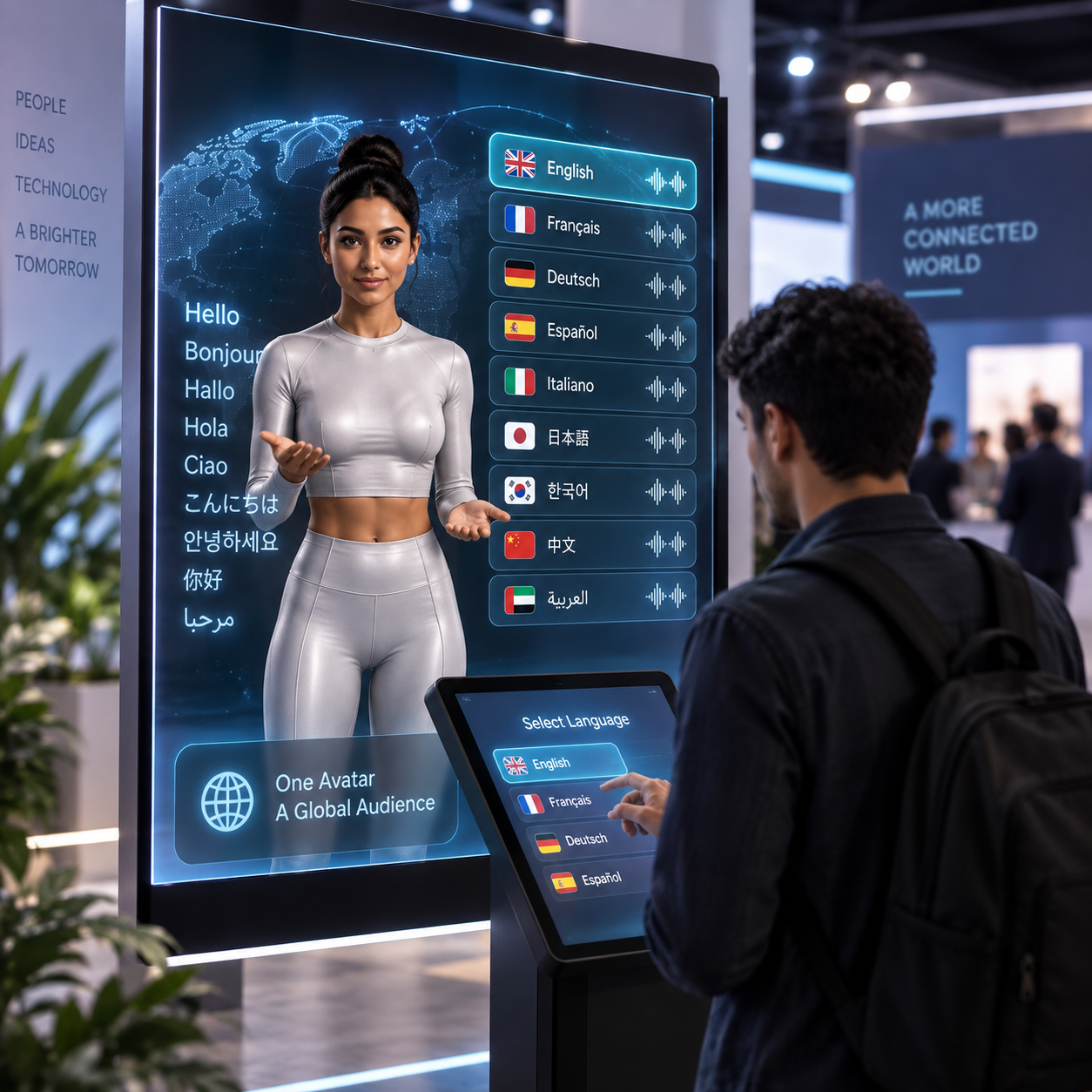
Six Scenarios to Consider
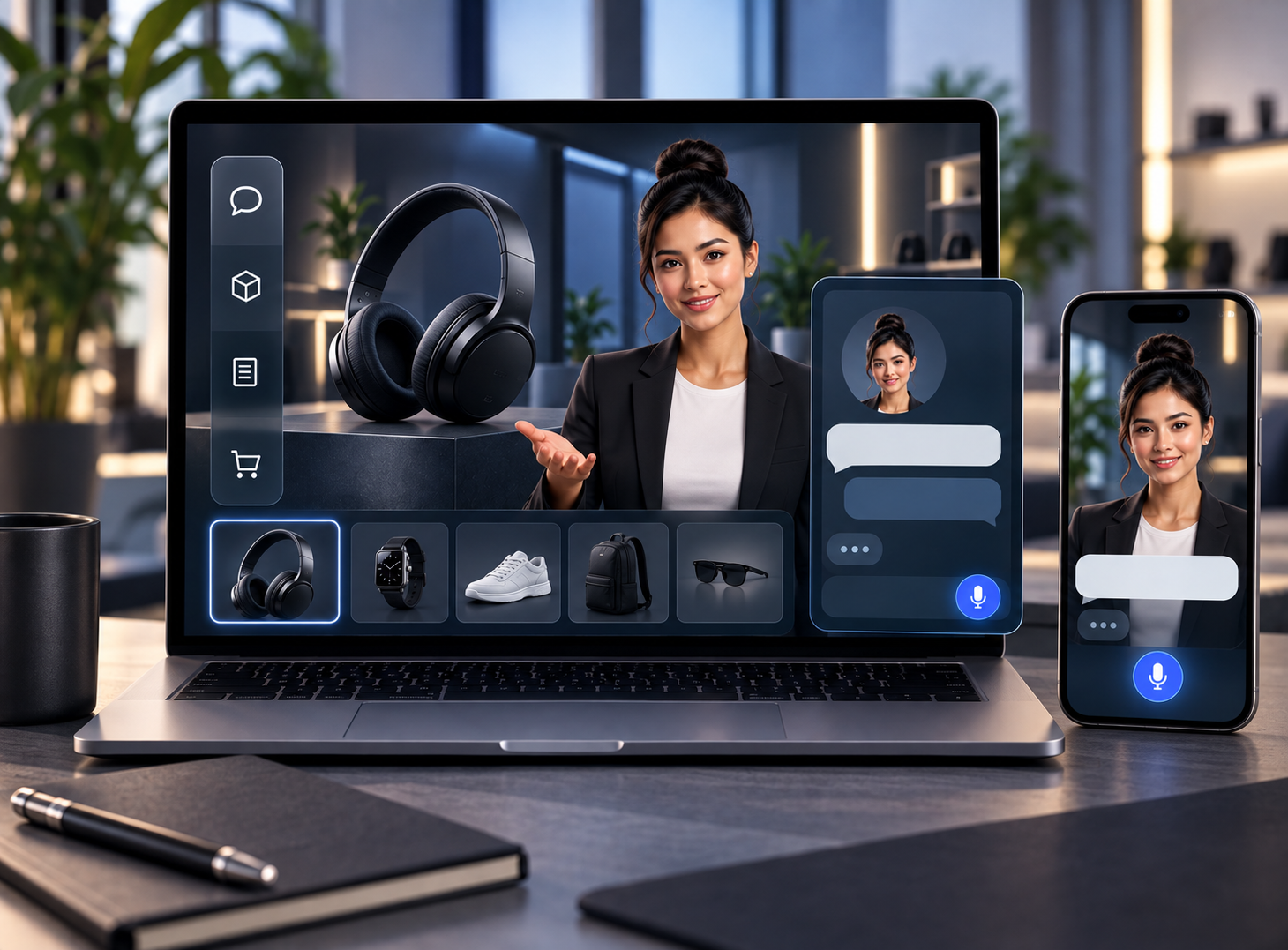
Opening introduction
Rehearse a concise explanation of experience and interests.
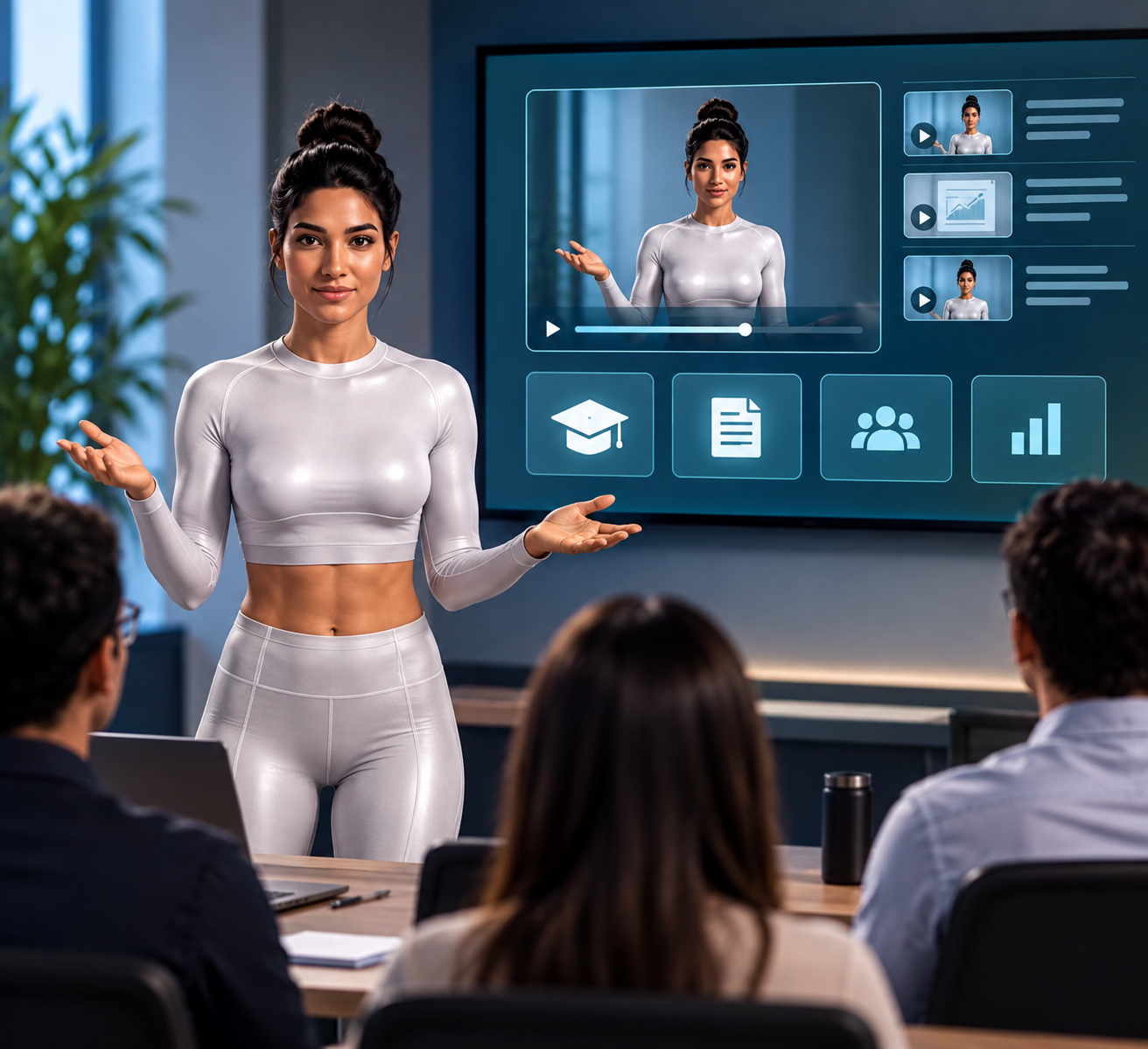
Behavioral examples
Practice describing a concrete situation, action and outcome.
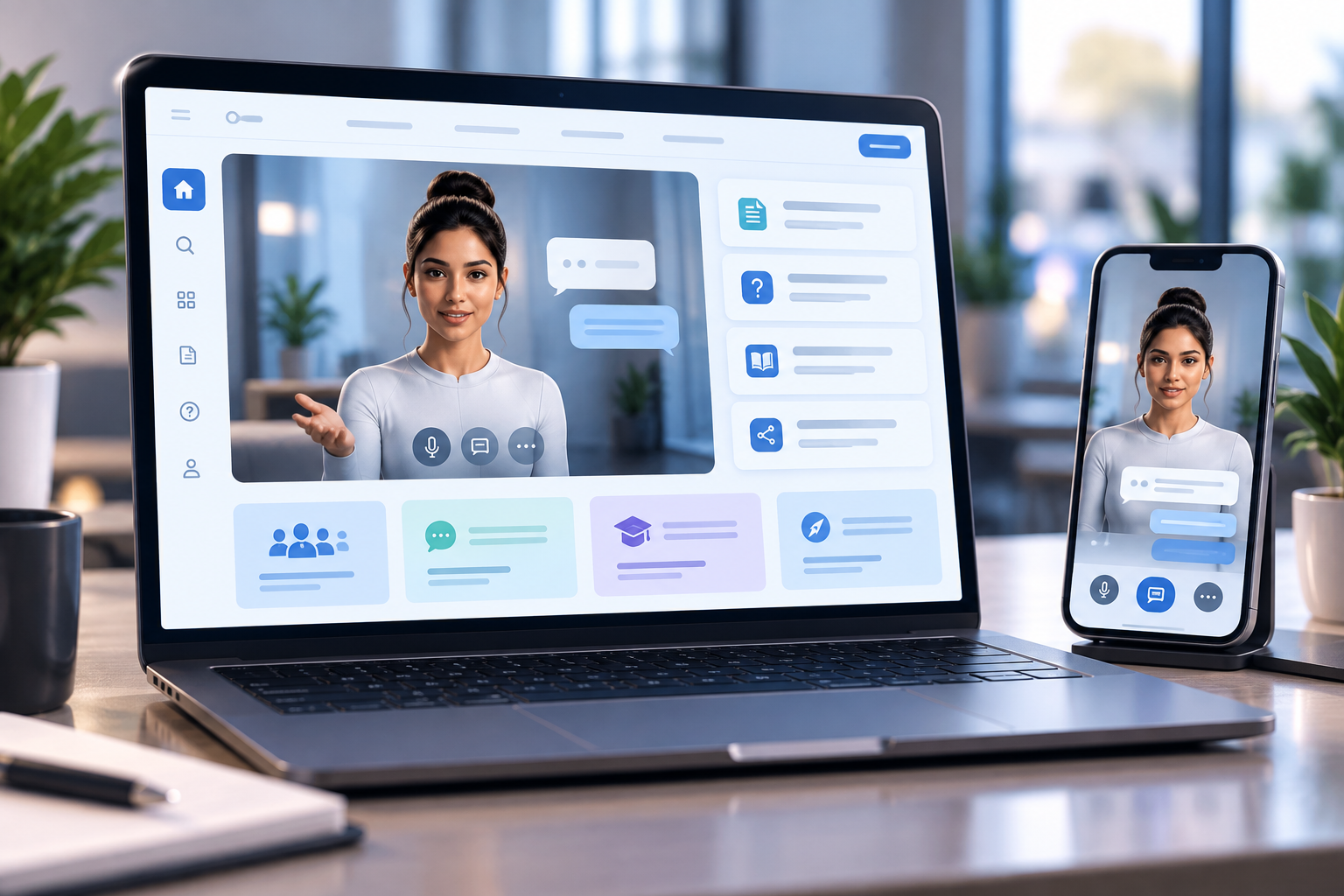
Role motivation
Explain why a role is relevant without relying on memorized slogans.
Follow-up questions
Respond to a request for detail or clarification.

Candidate questions
Practice asking useful questions about the role and team.

Reflection
Review an answer with a coach and identify a specific improvement.
IMPLEMENTATION CONSIDERATIONS
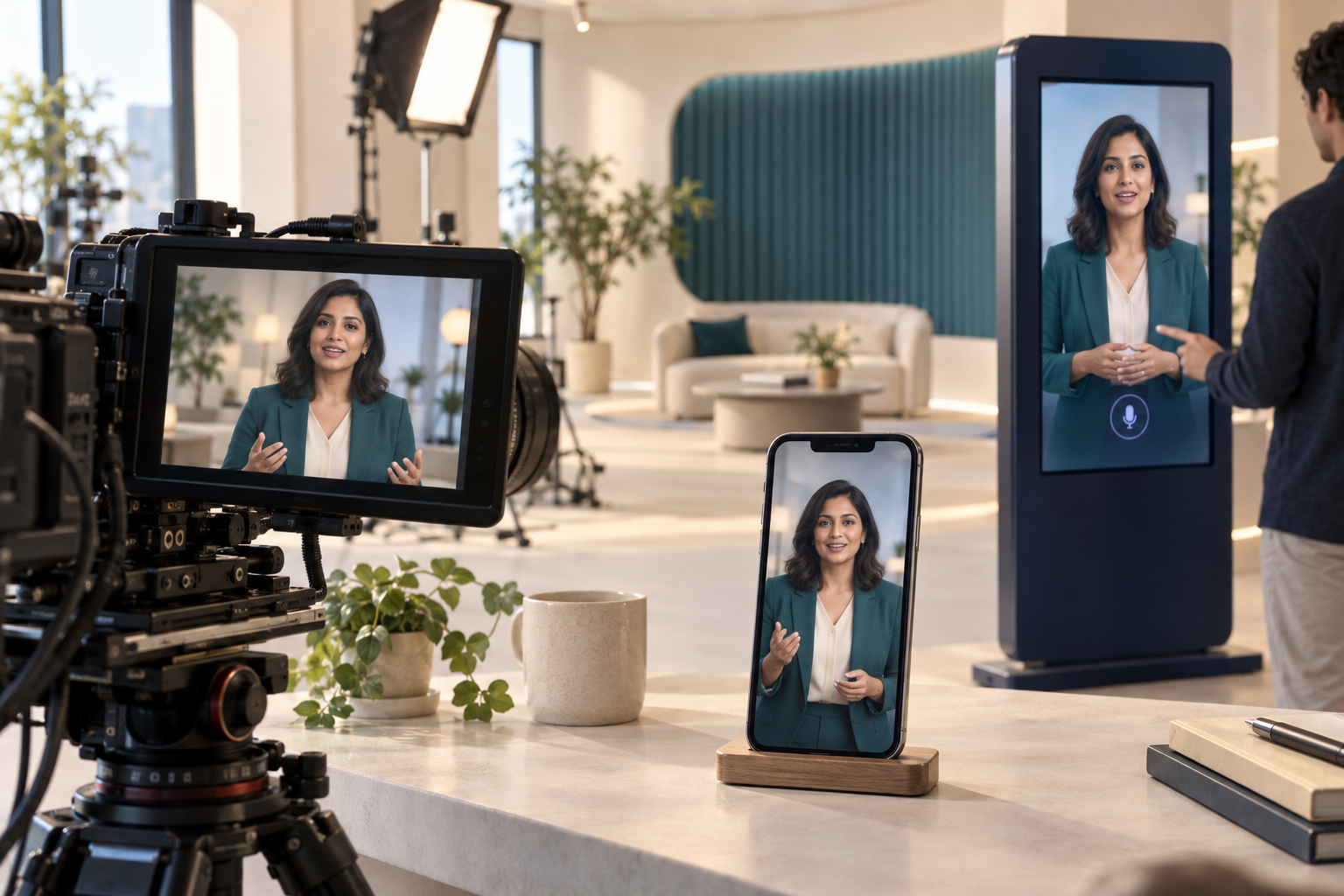
Plan the Deployment Around Your Audience
Plan the Deployment Around Your Audience
Choose the touchpoint that serves interview learners, career coaches and training providers. Confirm the supported device, voice or text interaction, connectivity and accessible alternatives with Mimic Minds. Account access, booking, recording and other system actions must be separately specified and verified; a conversational presentation alone does not provide those functions.
Example in Practice
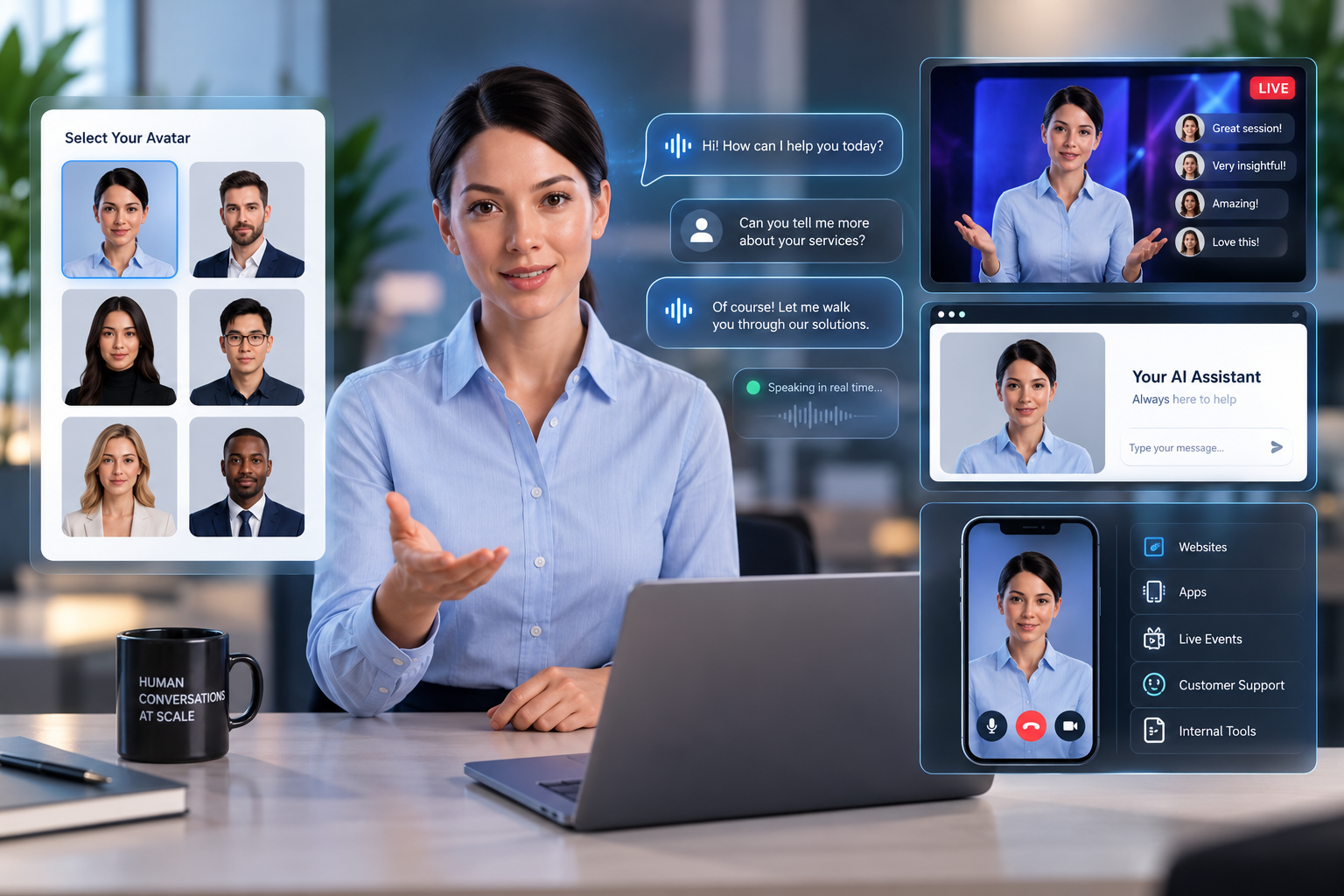
Illustrative example. A learner describes improving a reporting process. The avatar asks about their specific contribution and the outcome, giving them a chance to practise a more detailed response.
Clear Boundaries and Accountable Content
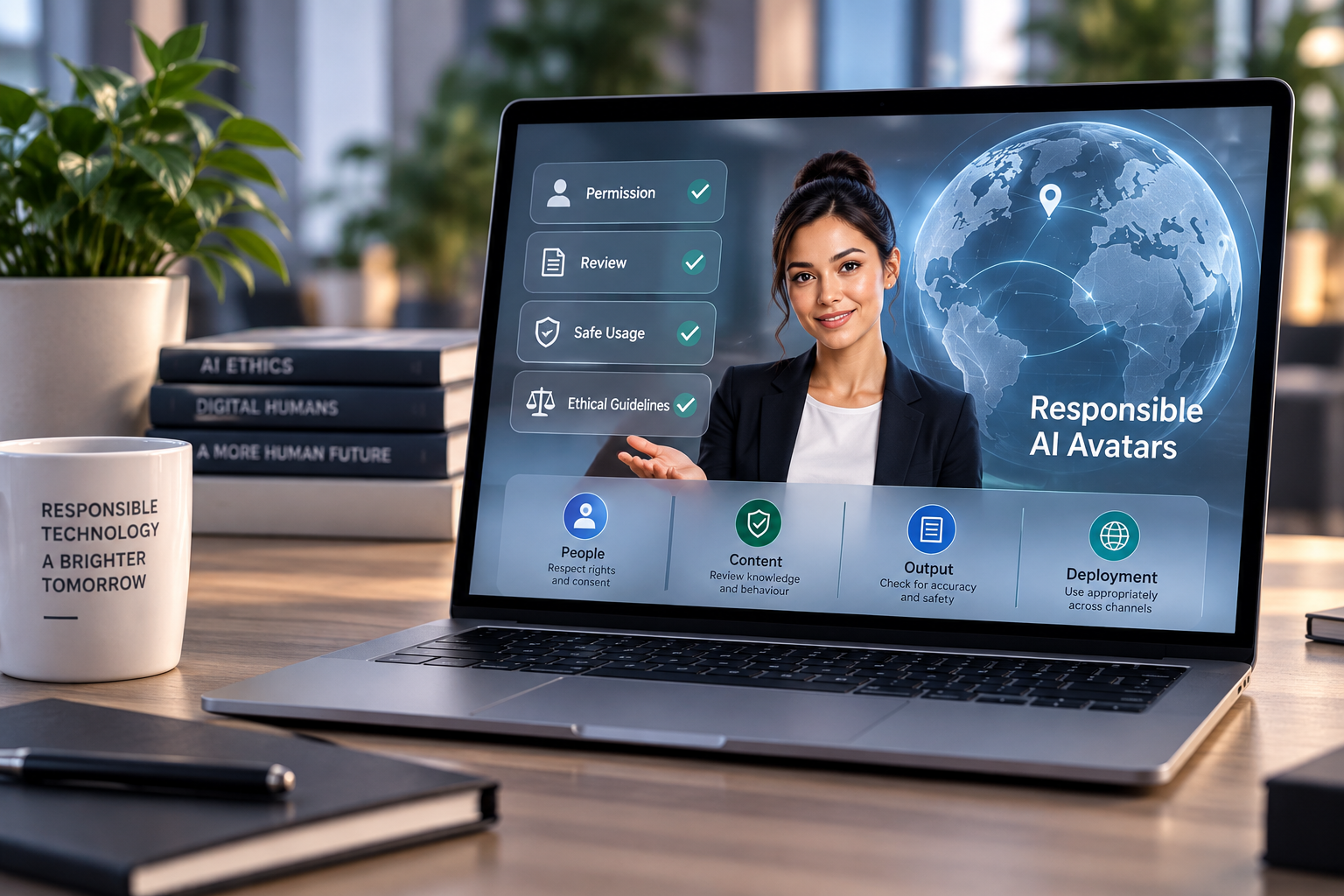
Keep the experience separate from hiring decisions. Do not infer personality, honesty or employability from appearance or voice.
QUESTIONS AND ANSWERS
Frequently Asked Questions
01
Who is this experience for?
This proposed experience is designed for interview learners, career coaches and training providers. Start with a defined task rather than an unrestricted general conversation.
02
What information do we need to prepare?
Prepare role-specific question sets, coaching guidance, example answer structures and reviewer criteria. The team responsible for those sources should approve the content and own future updates.
03
Does this predict whether someone will get hired?
No. A practice conversation is not a validated prediction of hiring outcomes and should not be used as an employment decision.
04
What happens when a question is outside the approved scope?
The experience should acknowledge the limit and point to a relevant person or official resource. Test that behavior with ambiguous questions before launch.
05
How do we begin a pilot?
Choose one of the scenarios on this page, identify the intended audience and deployment channel, and discuss the requirements with Mimic Minds. Confirm available capabilities and review responsibilities before setting the launch scope.
WHY MIMIC MINDS
Mimic Minds combines digital-human presentation with conversational experiences. For this experience avatar, start with the task and the approved knowledge, then choose a character and communication style that help the audience understand what to do next. Review the pilot with the people responsible for the information before increasing its scope.
Character Design with a Defined Purpose
01
Custom Character Creation
Develop photorealistic digital humans, stylized characters, virtual celebrities and interactive mascots.
02
Expressive Performance
Combine natural speech, facial expressions and gestures with real-time character behaviour.
03
Brand and Story Consistency
Maintain approved character details, personality and visual identity across every interaction.
04
Approved Knowledge
Connect selected content, event information and community resources to the avatar.
05
Live and On-Demand Experiences
Use the same character during live events, streaming experiences and always-available fan interactions.
06
Cross-Platform Deployment
Adapt the character for streaming, websites, mobile apps, kiosks, games and XR.
Responsible Fan Interaction
Built for Safe, Controlled and Transparent Engagement

Clear AI Identity
Tell fans that they are interacting with an AI-powered digital character.

Authorized Character Use
Use only approved names, likenesses, voices, stories and brand assets.

Defined Conversation Boundaries
Set clear rules for sensitive topics, restricted questions and unsuitable requests.

Age-Appropriate Experiences
Adapt language, moderation and access controls for the intended fan community.

Privacy-Conscious Personalization
Use only appropriate and permitted fan information for the selected experience.

Human Oversight
Provide moderation, escalation and human review for sensitive or unexpected interactions.
Frequently asked questions
- 01
- 02
- 03
- 04
- 05